

Top Foods to Boost Digestive Health
- thefunctionalreset
- Oct 27, 2025
- 4 min read
When it comes to feeling your best, your digestive health plays a starring role. A happy gut means better energy, improved mood, and a stronger immune system. But if you’ve been struggling with chronic health issues, you might already know how tricky digestion can be. The good news? You can support your digestive system with the right foods. Let’s explore some of the best foods for gut health that can help you feel more balanced and vibrant every day.
Why Focus on Foods for Gut Health?
Our digestive system is more than just a food processor. It’s a complex ecosystem where trillions of bacteria live, work, and keep us healthy. These friendly microbes help break down food, absorb nutrients, and protect us from harmful invaders. When this balance is off, it can lead to discomfort, inflammation, and even chronic health problems.
Eating foods that support your gut means feeding these good bacteria and soothing your digestive tract. It’s a gentle way to encourage your body to heal and function better. Plus, it’s something you can start doing right now with simple changes to your meals.
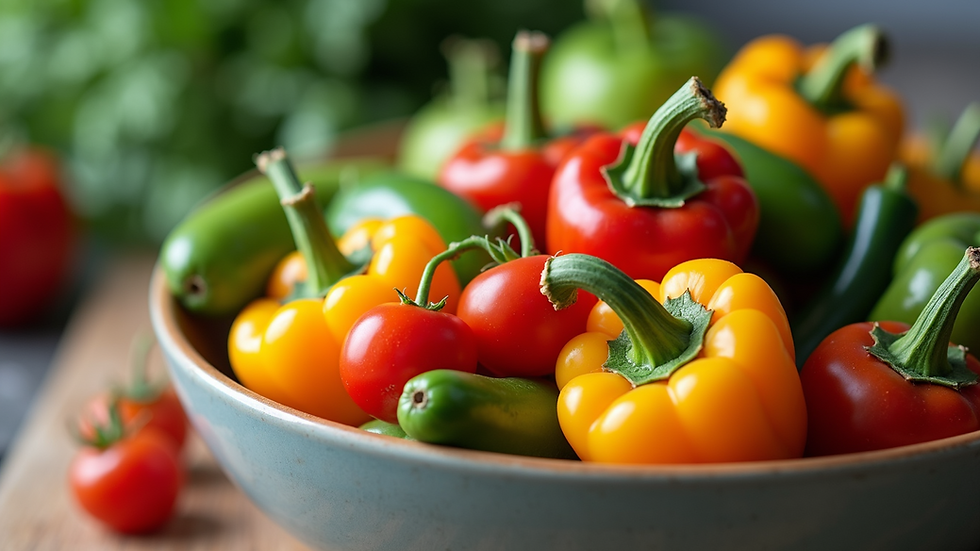
Top Foods for Gut Health You Should Try
Let’s dive into some delicious and easy-to-find foods that can make a real difference in your digestive wellness.
1. Fermented Foods
Fermented foods are packed with probiotics - the beneficial bacteria your gut loves. Think of them as a natural boost for your digestive system.
Yogurt: Choose plain, unsweetened yogurt with live active cultures.
Sauerkraut: This tangy cabbage dish is rich in probiotics and fiber.
Kimchi: A spicy Korean favorite made from fermented vegetables.
Kefir: A fermented milk drink that’s gentle on the stomach.
Adding a small serving of these foods daily can help restore balance in your gut flora.
2. High-Fiber Fruits and Vegetables
Fiber is essential for digestion because it helps food move smoothly through your intestines. It also feeds the good bacteria in your gut.
Apples, pears, and berries are great fruit choices.
Leafy greens like spinach and kale provide both fiber and nutrients.
Root vegetables such as carrots and sweet potatoes add bulk and vitamins.
Try to include a variety of these in your meals to keep things moving and your gut happy.
3. Whole Grains
Whole grains like oats, quinoa, and brown rice are excellent sources of fiber and nutrients. They support digestion by promoting regular bowel movements and feeding beneficial bacteria.
Start your day with a bowl of oatmeal topped with fresh fruit.
Swap white rice for brown rice or quinoa in your meals.
These small swaps can have a big impact on your digestive health.
4. Nuts and Seeds
Nuts and seeds provide fiber, healthy fats, and important minerals. They help keep your digestive system running smoothly and reduce inflammation.
Almonds, walnuts, and flaxseeds are particularly good choices.
Sprinkle them on salads, yogurt, or oatmeal for a crunchy boost.
Just be mindful of portion sizes, as nuts are calorie-dense.
5. Bone Broth
Bone broth is a soothing, nutrient-rich liquid that supports the lining of your digestive tract. It contains collagen and amino acids that help repair and strengthen your gut.
Sip warm bone broth as a comforting drink.
Use it as a base for soups and stews.
This simple addition can be very healing, especially if your gut feels sensitive or inflamed.
What Drink Is Best for Digestion?
Hydration is key to good digestion, but some drinks do more than just quench your thirst. They actively support your gut health.
Herbal Teas
Herbal teas like ginger, peppermint, and chamomile are gentle on the stomach and can ease digestion.
Ginger tea helps reduce nausea and inflammation.
Peppermint tea relaxes the digestive muscles and relieves bloating.
Chamomile tea soothes the digestive tract and promotes relaxation.
Try sipping a warm cup after meals to help your system along.
Water with Lemon
Starting your day with warm water and a squeeze of lemon can stimulate digestion and hydrate your body. It’s a simple ritual that wakes up your digestive enzymes and supports detoxification.
Avoid Sugary and Carbonated Drinks
While it might be tempting to reach for sodas or sweetened beverages, these can disrupt your gut bacteria and cause bloating. Stick to natural, soothing drinks for the best results.
How to Incorporate These Foods into Your Daily Life
Changing your diet doesn’t have to be overwhelming. Here are some easy ways to bring these gut-friendly foods into your routine:
Start small: Add a spoonful of sauerkraut or a cup of yogurt to one meal a day.
Mix and match: Combine fruits, nuts, and seeds in your breakfast bowl.
Cook creatively: Use bone broth as a base for soups or to cook grains.
Snack smart: Keep a handful of nuts or a piece of fruit handy.
Stay consistent: Regularly eating these foods helps your gut adjust and thrive.
Remember, your digestive system is unique. Pay attention to how your body responds and adjust accordingly.
Embracing a Holistic Approach to Digestive Wellness
While food plays a huge role, digestive health is also influenced by lifestyle factors like stress, sleep, and physical activity. Taking care of your gut means caring for your whole self.
Practice mindful eating - slow down and savor your meals.
Manage stress through meditation, gentle exercise, or hobbies.
Prioritize restful sleep to allow your body to heal.
Stay active to keep your digestive system moving.
Combining these habits with nourishing foods creates a powerful foundation for lasting wellness.
Taking the First Step Toward a Happier Gut
Improving your digestive health is a journey, not a race. By choosing foods that nurture your gut and adopting gentle habits, you’re giving your body the tools it needs to heal and thrive. Every small change counts, and you deserve to feel vibrant and comfortable in your own skin.
So why not start today? Pick one new gut-friendly food to try or sip a calming herbal tea after your next meal. Your digestive system will thank you for it.
Here’s to your health and happiness - one bite at a time!


Comments